
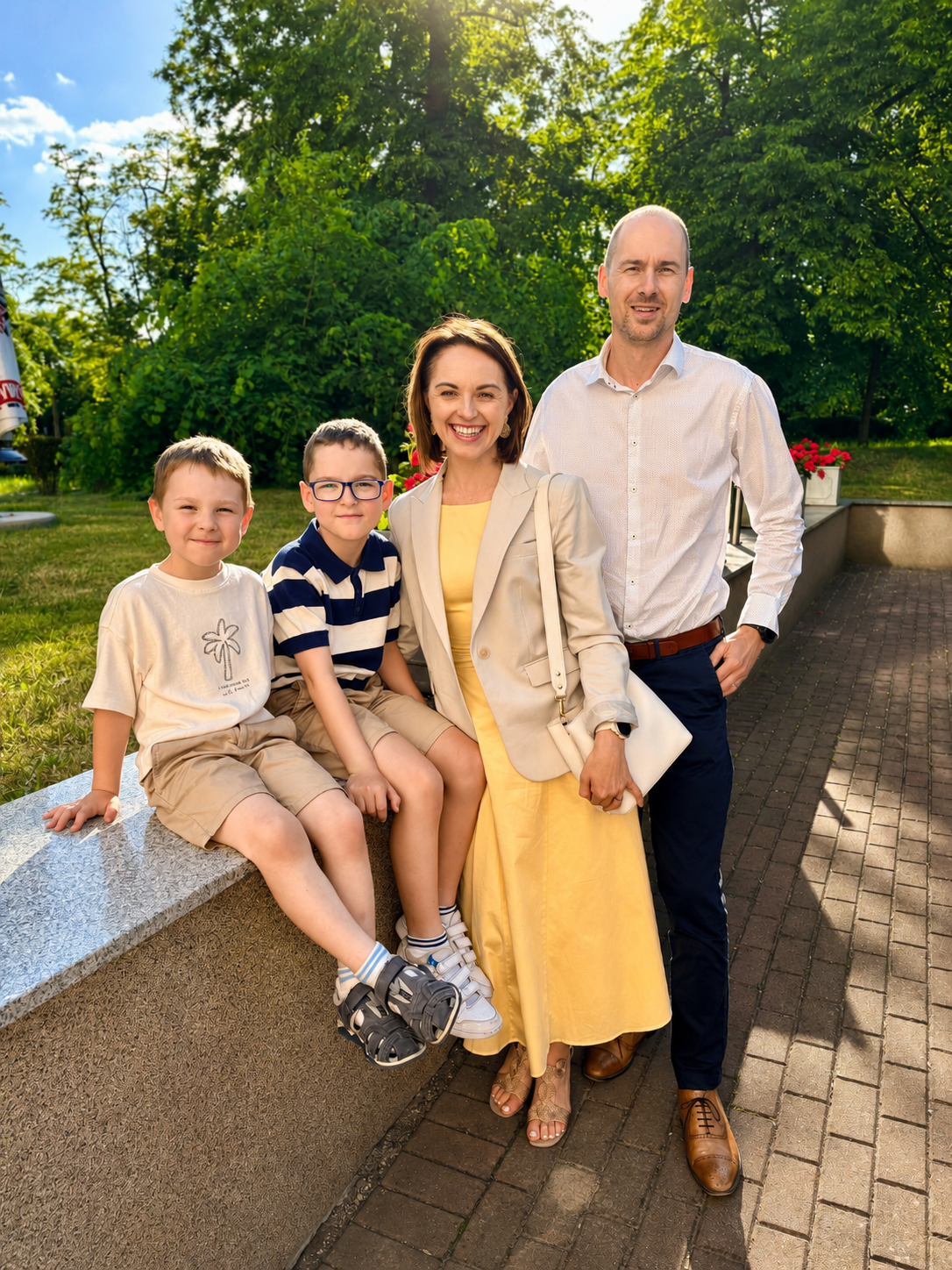
Hi, I’m Jo Mars.
My story
For years, I believed I was building my dream life.
I dreamed about financial freedom.
About work that would feel like a passion rather than a job.
I even imagined myself becoming a successful influencer.
Yep.
And what's worse?
I genuinely believed I was working hard to make it happen.
But…
Let’s start from the beginning.
My life from the outside…
To be honest, I thought I was a productive superwoman.
After 12 years in corporate (working in 3 countries), at age 38 I requalified, started my business, failed miserably, losing €70k, and with shame, devastated self-confidence (but still resilience), I returned to corporate.
So here I am again.
I am working full-time.
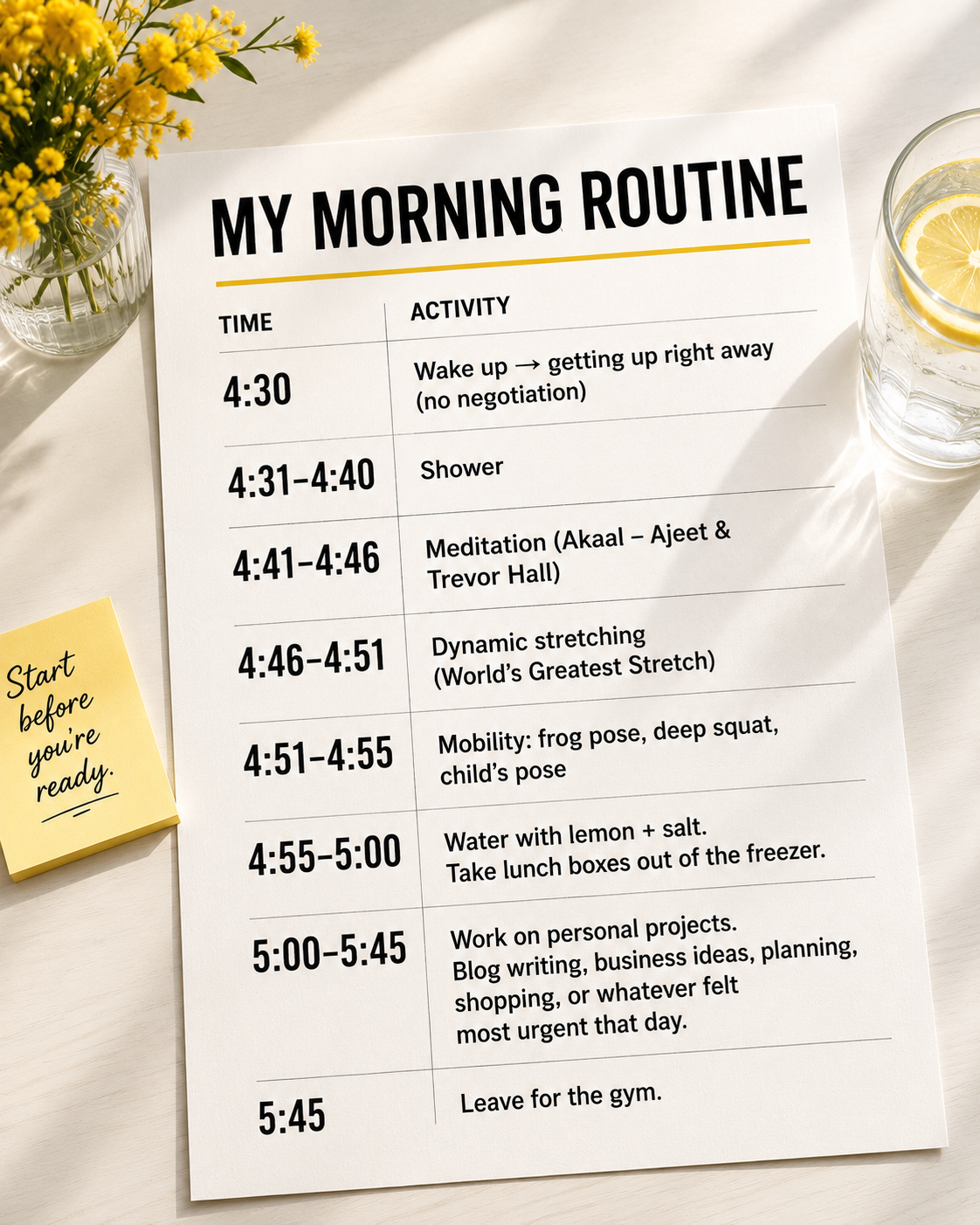
Waking up at 4:30 every morning (with the belief that my morning routine would eventually make me successful…).
Going to the gym three times a week.
Eating healthy.
Listening to audiobooks.
Spending “quality” time with my family.
Posting randomly on Instagram…
Truly believing that all this small steps will finally make me succesful. .
Until I realized it wasn't getting me anywhere.
Overwhelm
Returnign to coprorate seemed somehow more demanding than I expected.
After being self-employed for the last 2 years and coming back to a typical corporate environment, it was like hitting a wall.
With entire days wasted on unproductive meetings, and then realizing at 3 PM that I had not actually done anything meaningful, while my workload kept piling up, I just could not stand it.
Inside, I was boiling.
On one hand, it was even more motivating not to give up on financial freedom and my side-business dream. On the other hand…
I somehow could not make it happen.
Everything felt so overwhelming.
The job, which I already did not like.
Financial pressure (I could not afford not to work).
Kids. Home. Everything.
I was just stuck.
Again.
This time with no hope.
My morning routine was supposed to help, but months passed and I was still in the same place.
My frustration increased. I blamed everything.
My husband. My job. Our financial situation.
I put myself in the role of a victim.
Turning point
One day, I came across the Rapid Planning Method, an online mini-course. One sentence immediately caught my attention:
"Stop chasing to-do lists and start designing your life."
I was skeptical. I've bought enough books, courses, and productivity tools to know that most of them promise more than they deliver. But the price wasn't high, so I gave it a try.
And honestly?
A few lessons in, I felt like someone had turned on a light.
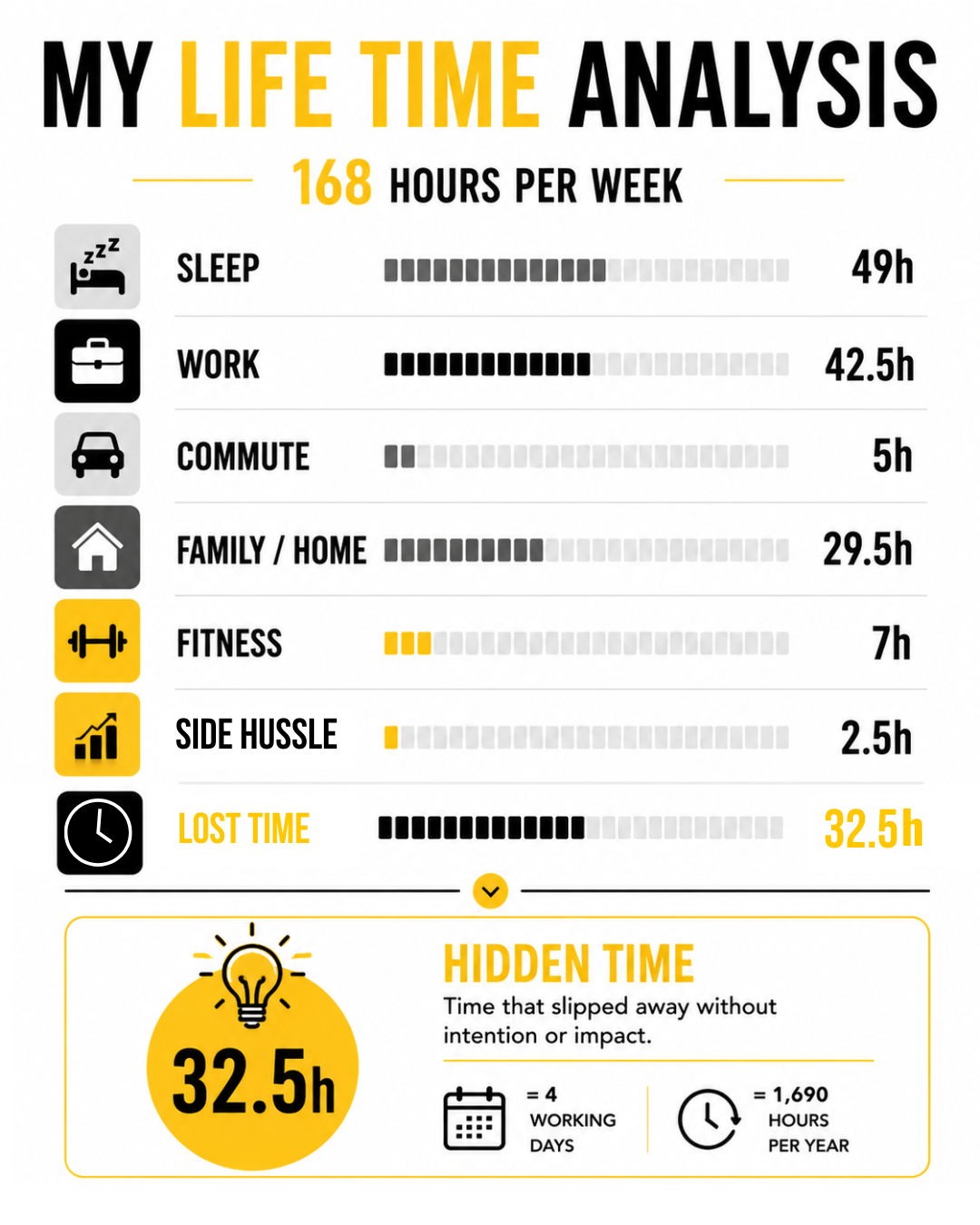
One of the first exercises was a Life Time Analysis. I started tracking where my time was actually going throughout the week.
At first, everything looked normal. Work. Commute. Gym. Family. Sleep.
But then I looked closer. And I realized there were around 32 hours every week that I couldn't really explain.
My weekdays seemed clear enough, but my weekends were a mystery. What had I actually done during those hours? What had I created? What had improved? What had moved me closer to the life I wanted?
The truth was uncomfortable: I didn't really know. That was the moment I realized my biggest problem wasn't a lack of time.
It was a lack of awareness about where my time was actually going.
Discovering invisilbe…
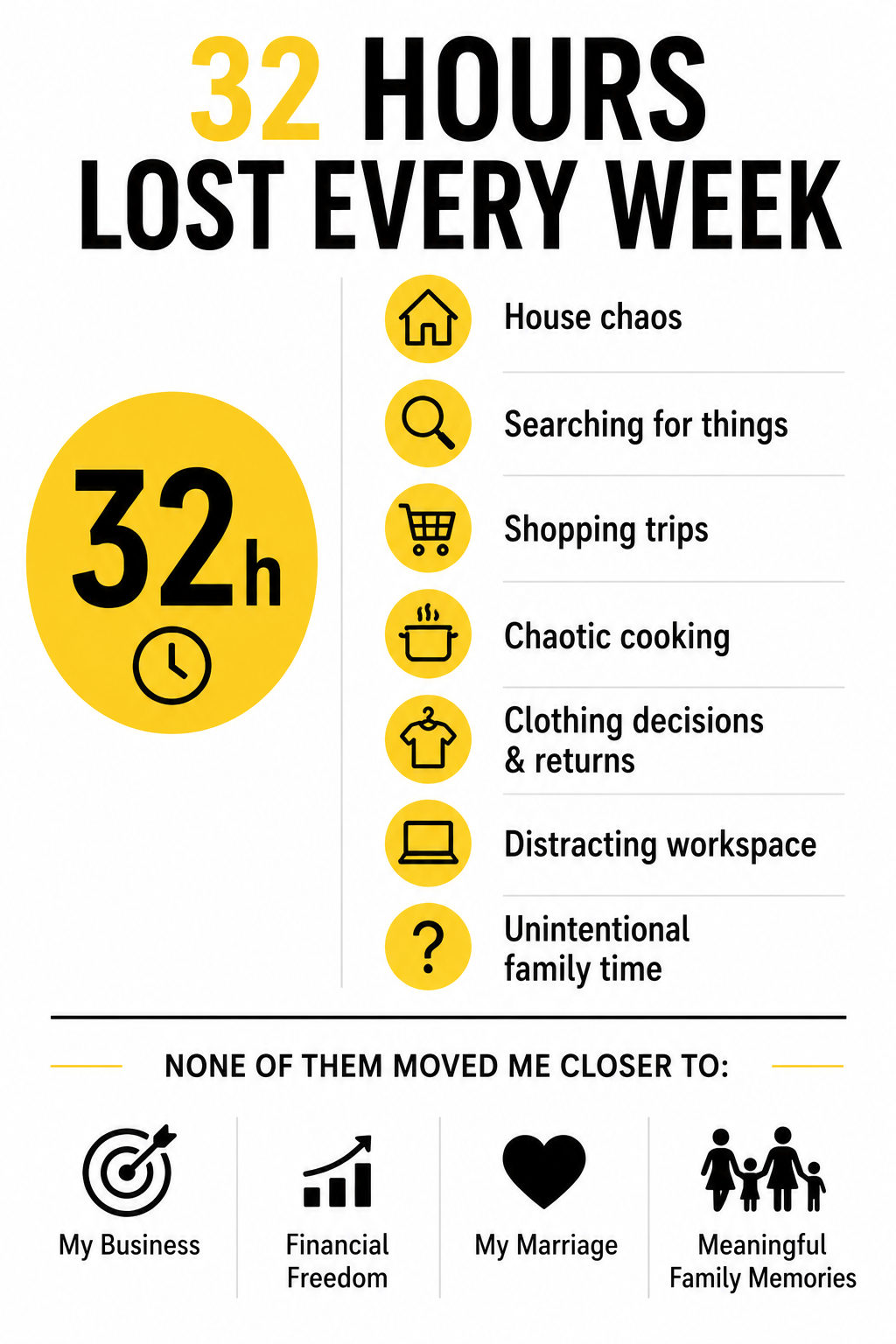
When I dug deeper into those 32 hours, I discovered something surprising.
I wasn't wasting time in obvious ways. I wasn't binge-watching Netflix for hours.
I wasn't spending my evenings scrolling social media.
The time was disappearing into everyday life.
Into things that felt normal.
The house felt constantly overwhelming. We had too many random things with no designated place. Before the cleaner came, we often spent up to two hours just moving things around so the house could be cleaned.
We were constantly searching for things. Documents. Keys. School papers. Chargers. Something always seemed to be missing.
We spent time together as a family, but when I looked back at the week, I couldn't clearly say what we had actually done. The time was passing, but it wasn't intentional.
Shopping was another surprise. Even though we ordered groceries online, we still ended up going to the store almost every day because something was missing, or we needed fresh fruit and vegetables.
Cooking felt organized on the surface because we prepared lunch boxes, but dinners were chaotic. Every evening seemed to involve last-minute decisions, extra shopping, and too much time spent in the kitchen.
Clothes were another hidden time drain. We were constantly buying things online because something was missing. Then we spent even more time returning items that didn't fit or weren't quite right.
And my home office wasn't really a home office. It was a corner surrounded by distractions. Every time I sat down to work on my business, something pulled my attention away.
Then the realization hit me.
I was spending more than 30 hours every week on activities that weren't moving me toward my goals.
They weren't helping me build my business. They weren't creating financial freedom.
They weren't strengthening my marriage, which at the time was going through its own challenges. They weren't creating meaningful memories with my family.
They weren't creating value.
I was sacrificing the very things I said mattered most for things I couldn't even clearly name.
That was my turning point.
For years, I thought I had a time problem.
What I actually had was a systems problem.
Different perspective on time
After that realization, I became obsessed with understanding how successful people actually create results. How they manage time.
What I discovered was game-changing.
They don't start with a to-do list.
They start with the result they want to achieve.
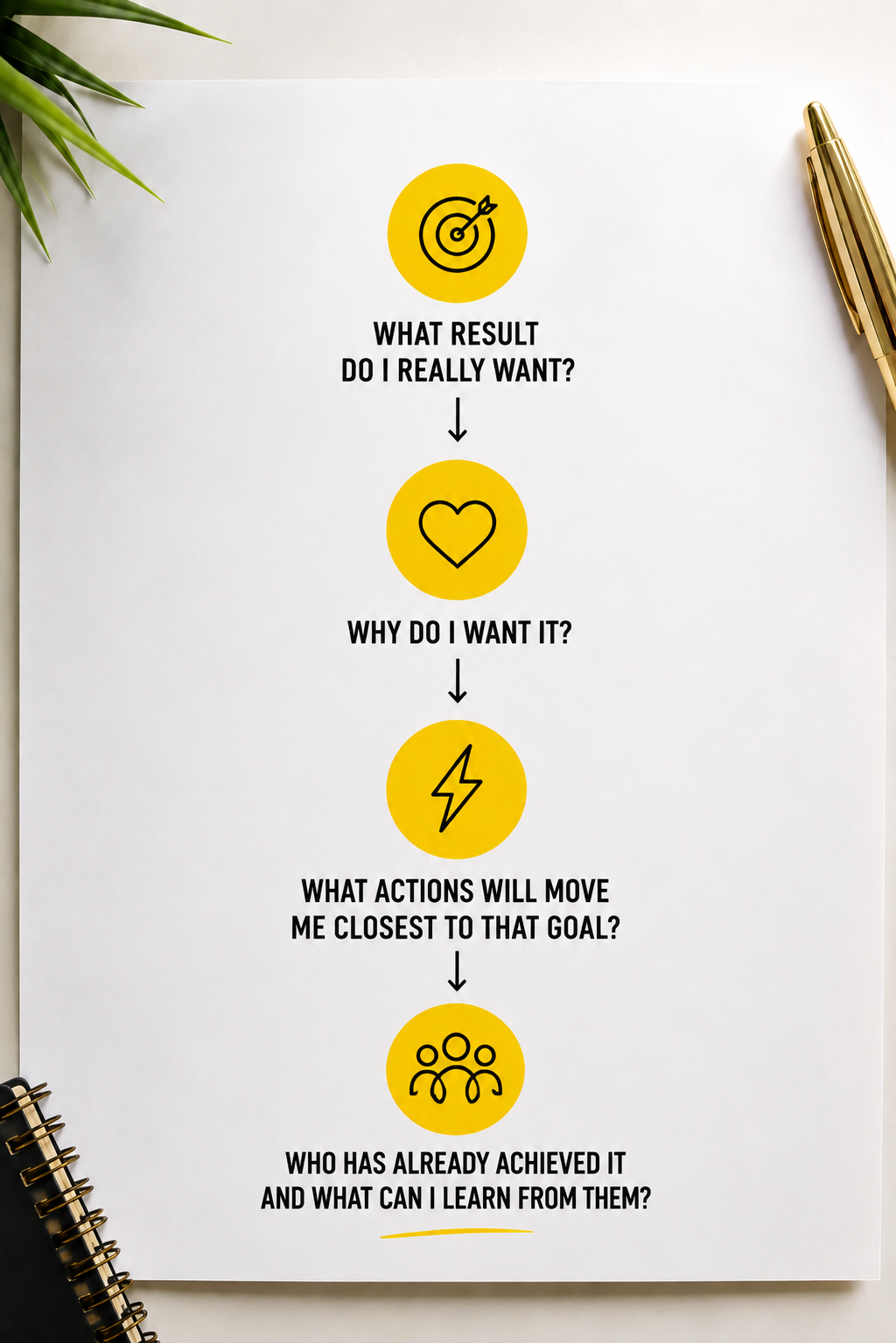
Before taking any action, they ask themselves:
What do I really want?
Why do I want it?
What actions will move me closest to that goal?
Only then do they decide what deserves their time and attention.
They also don't try to figure everything out on their own.
They look for people who have already achieved what they want and learn from them. They leverage proven solutions instead of reinventing the wheel.
In order to create space for what truly mattered, I realized I first had to remove the mental overwhelm caused by everyday life.
But here's the thing…
It sounds great on paper.
Create systems. Automate your life. Reduce overwhelm.
But how do you actually do it?
That's where my corporate experience came in.
For over 12 years, I worked in procurement, project management, and process improvement. Whenever there was a problem, we didn't jump straight to solutions.
We first mapped the current situation. What is working? What isn't working? What is the desired outcome? Why does it matter? What is missing? What process do we need? Who is already doing it successfully?
Only then did we design a solution.
So I decided to apply the same approach to my personal life.
We started with cooking.
What wasn't working? Why did dinner feel stressful every evening? What outcome did we want? How do other busy families manage it? The answers led to surprisingly simple solutions: Less complexity, more organization,clear responsibilities, better planning.
And suddenly, we saved more than three hours a week in the kitchen.
Then we moved to our wardrobe.
The same process. The same questions.Another hour saved.
Then Shopping. Home organization. Family routines.
One area at a time.
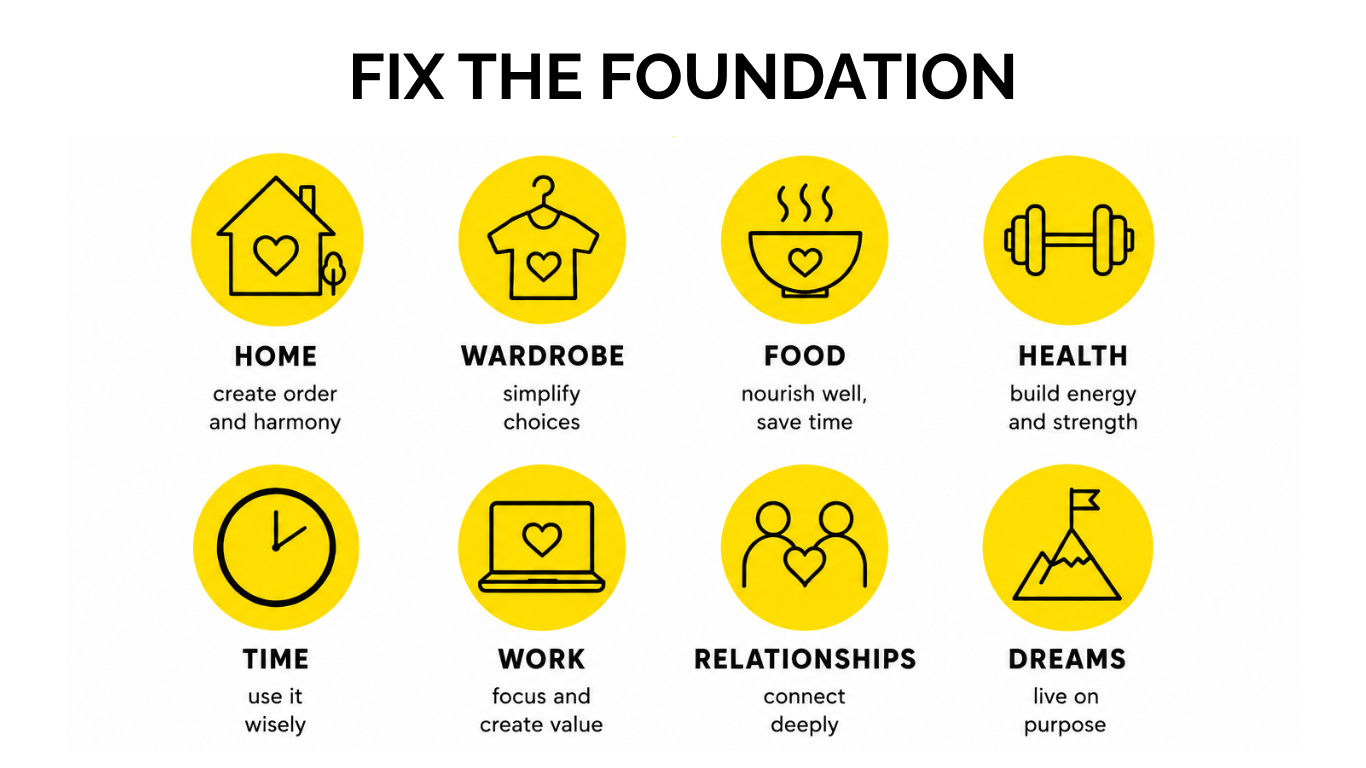
We're still improving today, but the results have been incredible.
What surprised me most wasn't the systems themselves.
It was the power of asking the right questions.
I had spent more than ten years reading books about productivity.
Yet nobody had ever taught me to look at my life this way.
That realization changed everything.
And that's why I felt compelled to share it.
Because if this approach helped me reclaim time, reduce overwhelm, and create space for what truly matters, I believe it can help others too.
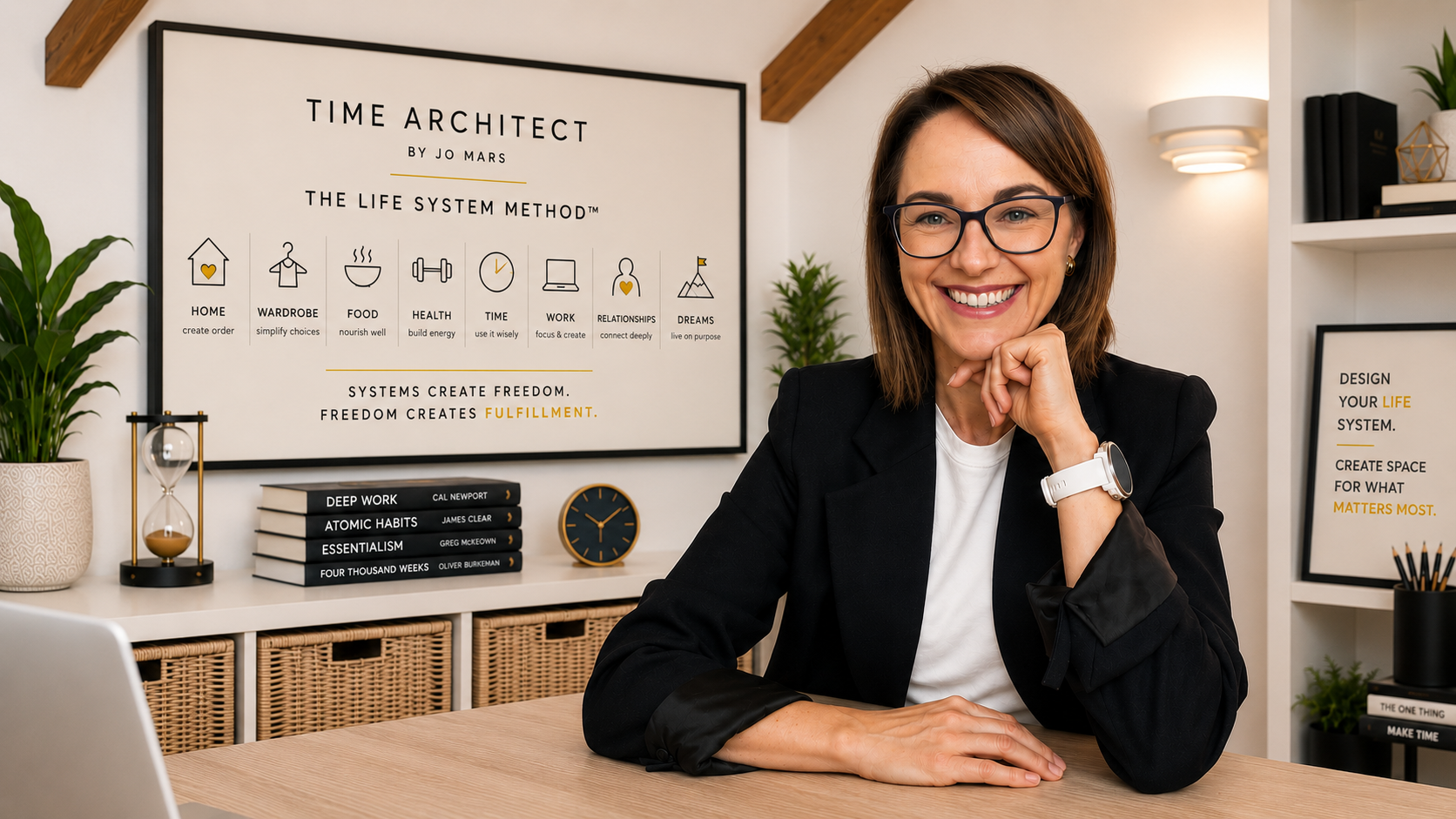
That's how Time Architect was born.
And that's how the Life System Method began.
With love,
Jo x